Every commercial space has unique cleaning requirements. A hospital demands high levels of hygiene, while a warehouse focuses on dust and grease removal. Retail stores prioritize presentation, and educational institutions require regular sanitation due to heavy daily usage. Selecting the right Cleaning Supplies for each environment helps maintain cleanliness, improve safety, and optimize maintenance costs.
Many businesses assume that all cleaning products perform similarly, but different surfaces, contaminants, and industries require specialized solutions. Using inappropriate chemicals or tools can damage flooring, reduce cleaning efficiency, and increase operating expenses.
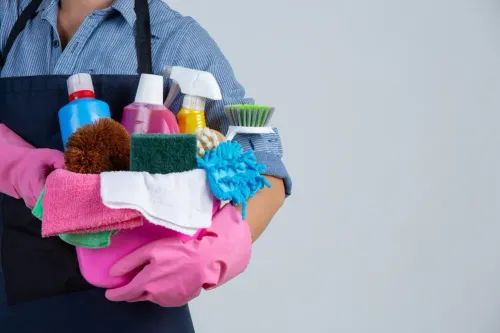
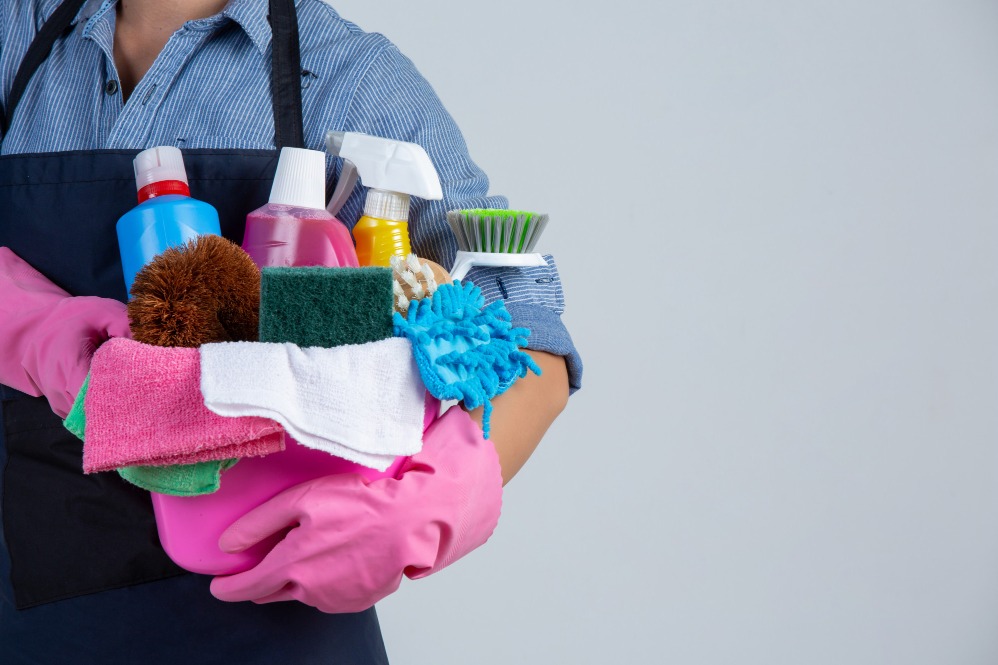
Cleaning supplies generally include chemicals, disinfectants, microfiber cloths, mops, brushes, dusters, buckets, waste management products, protective gloves, floor pads, and machine accessories. Together, these products create a complete cleaning system rather than functioning as isolated items.
Surface identification should always come first. Marble, granite, ceramic tiles, vinyl flooring, stainless steel, wood, and glass all require different cleaning methods. Using acidic chemicals on natural stone or abrasive pads on polished surfaces may cause permanent damage.
Commercial environments also require varying levels of sanitation. Healthcare facilities often use hospital-grade disinfectants to reduce microbial contamination, while offices typically rely on general-purpose cleaners for desks, floors, and common areas. Food preparation areas require products that effectively remove grease while remaining safe for food-contact environments.
Microfiber products have become increasingly popular because they trap dust more efficiently than traditional cotton cloths. They also reduce water consumption and often require fewer chemicals, making them both economical and environmentally responsible.
A complete cleaning program usually includes:
- Daily maintenance products
- Weekly deep-cleaning solutions
- Surface-specific chemicals
- Glass cleaning materials
- Restroom hygiene products
- Floor care accessories
- Protective equipment for cleaning staff
Purchasing products individually may appear convenient, but maintaining consistency across a facility becomes easier when standardized supplies are used. Standardization also simplifies staff training and inventory management.
Businesses in Pune often experience varying weather conditions throughout the year. Dust accumulation during dry seasons and mud during the monsoon create different cleaning challenges. Selecting appropriate cleaning supplies based on seasonal conditions helps maintain indoor cleanliness more effectively.
Environmental sustainability is another growing consideration. Many organizations now prefer concentrated cleaning solutions that reduce packaging waste while lowering transportation costs. Eco-friendly products with biodegradable formulations also support workplace sustainability initiatives without compromising cleaning performance.
Storage practices influence product effectiveness as well. Chemicals should be stored according to manufacturer recommendations, away from direct sunlight and excessive heat. Proper labelling helps prevent accidental misuse and supports workplace safety.
Cost should be evaluated carefully. The lowest-priced product may require larger quantities to achieve acceptable results, while higher-quality products often provide better coverage and improved cleaning efficiency. Considering the total cost per cleaning cycle offers a more accurate comparison than focusing solely on purchase price.
Training employees remains equally important. Even premium cleaning supplies deliver poor results if they are diluted incorrectly or used on unsuitable surfaces. Providing simple operating guidelines can improve cleaning consistency while reducing unnecessary product consumption.
Commercial cleaning also depends on compatibility between chemicals and equipment. Certain floor cleaning machines perform best with low-foam cleaning solutions, while specialized pads enhance cleaning effectiveness on different flooring materials.
Many facility managers seek advice before selecting products because product specifications can be confusing. Experienced suppliers such as A V Corporation assist organizations in choosing suitable cleaning solutions that match their facility type, operational requirements, and maintenance objectives.
An organized cleaning supply strategy contributes to healthier workplaces, longer-lasting infrastructure, and improved operational efficiency. Instead of viewing cleaning materials as routine purchases, businesses should consider them essential components of facility management. Choosing appropriate cleaning supplies based on environment, usage patterns, and cleaning objectives ensures better hygiene standards while supporting long-term maintenance success.