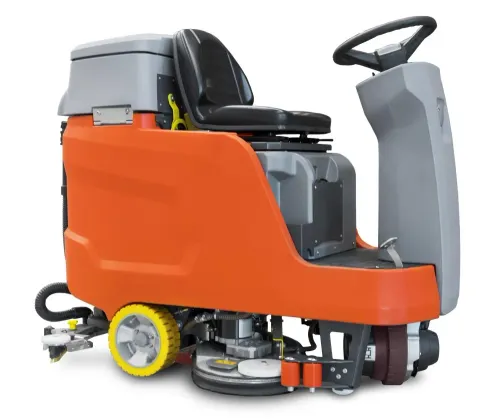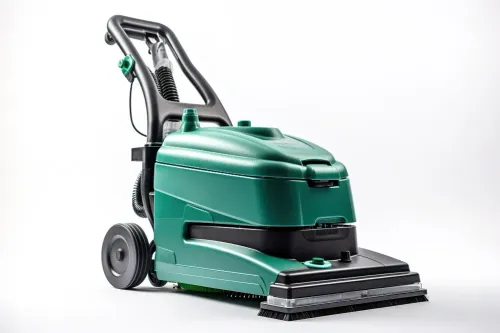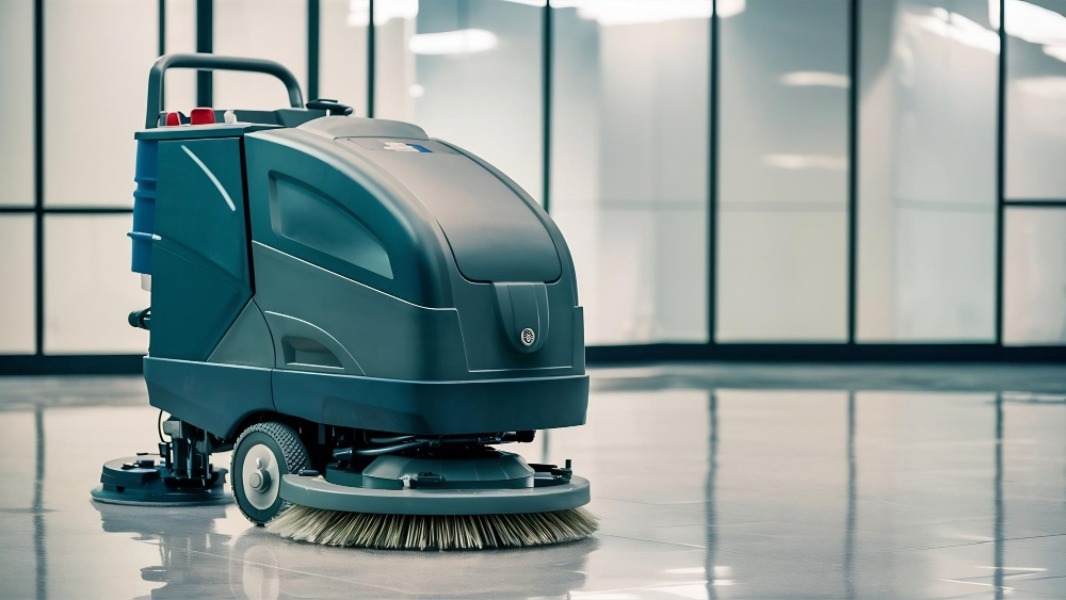
Purchasing commercial cleaning equipment is a long-term investment, making the choice of Cleaning Machine Suppliers just as important as the machine itself. A quality machine backed by dependable technical support, product knowledge, and after-sales service delivers far greater value than equipment purchased solely based on price.
Businesses today have access to numerous cleaning equipment brands and suppliers. While product specifications are important, selecting a supplier who understands commercial cleaning requirements can make the purchasing process much smoother and reduce future maintenance challenges.
The first step is understanding your own cleaning needs. Different industries require different equipment. A hospital may prioritise hygiene-focused machines, while a warehouse requires equipment capable of handling heavy dust and debris. Offices often need compact, quiet machines suitable for occupied workspaces.
Reliable suppliers begin by evaluating these operational requirements before recommending equipment. Rather than promoting the most expensive option, they focus on identifying machines that align with the customer's cleaning objectives.
Some important qualities to look for in a supplier include:
- Product knowledge
- Wide equipment selection
- Technical guidance
- Spare parts availability
- Preventive maintenance support
- Operator training
- Transparent warranty information
- Responsive customer service
These factors contribute significantly to equipment performance over its operational life.
Another important consideration is product availability. Businesses expanding their cleaning operations may require additional machines or accessories in the future. Working with suppliers who maintain consistent inventory helps avoid delays when equipment or replacement components are needed.
After-sales support often determines the overall ownership experience. Even high-quality machines require periodic servicing and occasional replacement of consumable parts such as brushes, squeegees, filters, batteries, or vacuum hoses. A supplier with an established service network helps minimise equipment downtime.
Commercial facilities in Pune operate across industries including manufacturing, healthcare, education, retail, hospitality, logistics, and information technology. Each sector presents different cleaning challenges, making industry-specific product recommendations especially valuable.
Before finalising a purchase, businesses should ask practical questions such as:
- Which machine best suits our flooring?
- What maintenance schedule is recommended?
- Are spare parts readily available?
- Is operator training included?
- What warranty coverage is provided?
- What is the expected service life?
These discussions help buyers make informed decisions while avoiding unnecessary expenses.
Another useful indicator is whether the supplier offers demonstrations or product comparisons. Seeing equipment operate in a real-world environment helps customers understand cleaning capacity, manoeuvrability, and ease of operation before making a purchasing decision.
Long-term relationships often provide greater value than one-time transactions. Suppliers who understand a customer's facility can recommend additional equipment, upgraded accessories, or maintenance improvements as cleaning requirements evolve.
Businesses should also compare the total ownership experience rather than focusing exclusively on initial pricing. Factors such as machine reliability, service response time, consumable availability, and technical expertise frequently influence long-term satisfaction more than the purchase cost itself.
Organisations seeking dependable commercial cleaning solutions often work with experienced providers such as A V Corporation, which assists businesses in evaluating cleaning requirements, understanding equipment capabilities, and selecting machines suitable for their operational environment.
Choosing the right cleaning machine supplier is ultimately about building confidence in your investment. A knowledgeable supplier helps businesses select appropriate equipment, maintain consistent performance, and reduce operational disruptions through dependable support. When equipment, expertise, and service come together, organisations are better positioned to maintain cleaner, safer, and more productive commercial environments.