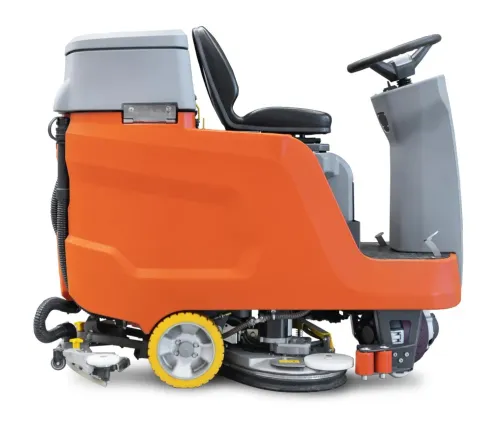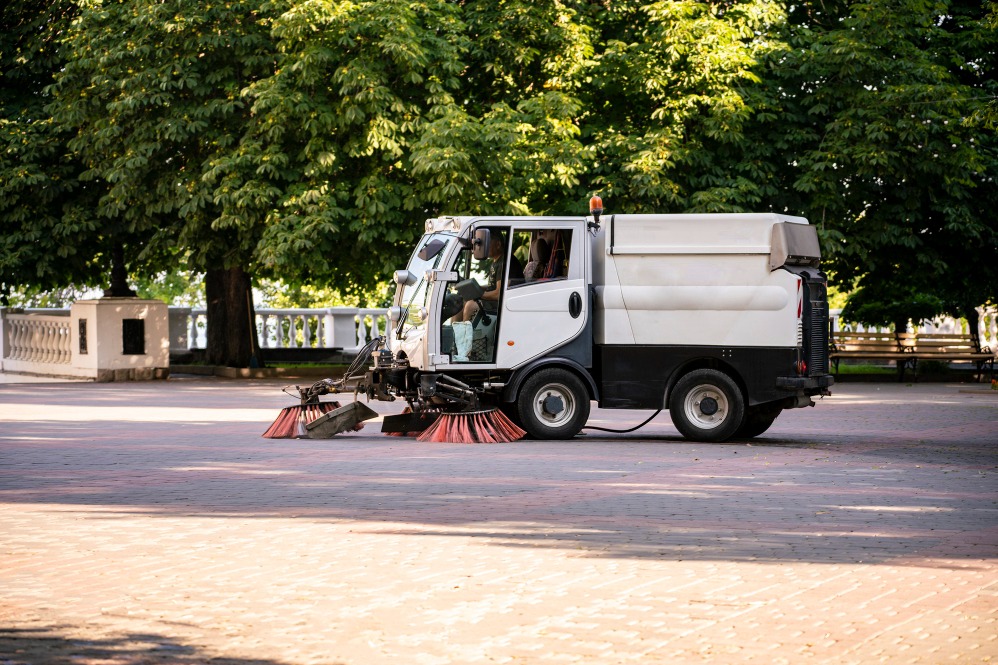
Large floors present a different cleaning problem from smaller indoor spaces. Warehouses, manufacturing units, parking areas, logistics facilities, and expansive commercial premises can accumulate substantial quantities of loose dust and debris. A Ride On Sweeper can help mechanise this stage of cleaning.
A V Corporation supports commercial cleaning equipment requirements in Pune, including businesses evaluating sweeping solutions for large operational areas.
Start With the Debris
Before comparing machines, identify what needs to be collected.
Fine dust, packaging residue, leaves, general dry debris, and industrial floor dirt can create different requirements. The environment should be assessed carefully so that the machine configuration suits the intended application.
Measure the Actual Cleaning Area
Do not use the property's total size as the only figure.
Calculate the area that the sweeper can realistically access. Machinery, storage racks, pillars, loading zones, parked vehicles, and narrow passages can reduce usable sweeping space.
This measurement gives a better basis for deciding whether ride-on equipment is appropriate.
Check Manoeuvrability
A large cleaning width may improve theoretical coverage, but the machine must still navigate the facility.
Consider aisle widths, turning areas, ramps, entrances, surface transitions, and obstacles. A machine that cannot comfortably reach important sections can leave significant manual work behind.
Review Dust-Control Requirements
Dust management can be important in warehouses and industrial environments.
Buyers should examine the machine's intended dust-control and filtration arrangements and follow operating and maintenance guidance for the specific model.
Think About Daily Operation
A sweeper needs to fit into the facility's working schedule.
Consider:
- Expected operating duration
- Battery or power arrangement
- Charging availability where applicable
- Debris-container handling
- Operator visibility
- Storage location
- Routine inspection
- Brush and filter maintenance
These factors influence practical usability long after the purchase decision.
Sweeping May Be One Stage of Floor Care
In many facilities, dry sweeping and wet scrubbing serve different purposes.
Removing loose material first can be part of a broader cleaning process, followed by suitable floor washing where required. Understanding this distinction helps buyers avoid expecting one machine to solve every floor-care problem.
For Pune warehouses and commercial facilities considering mechanised sweeping, equipment selection should begin with debris type, accessible floor area, layout, operating conditions, and maintenance capability. The objective is not simply to acquire a larger machine but to select one that fits naturally into daily facility operations.